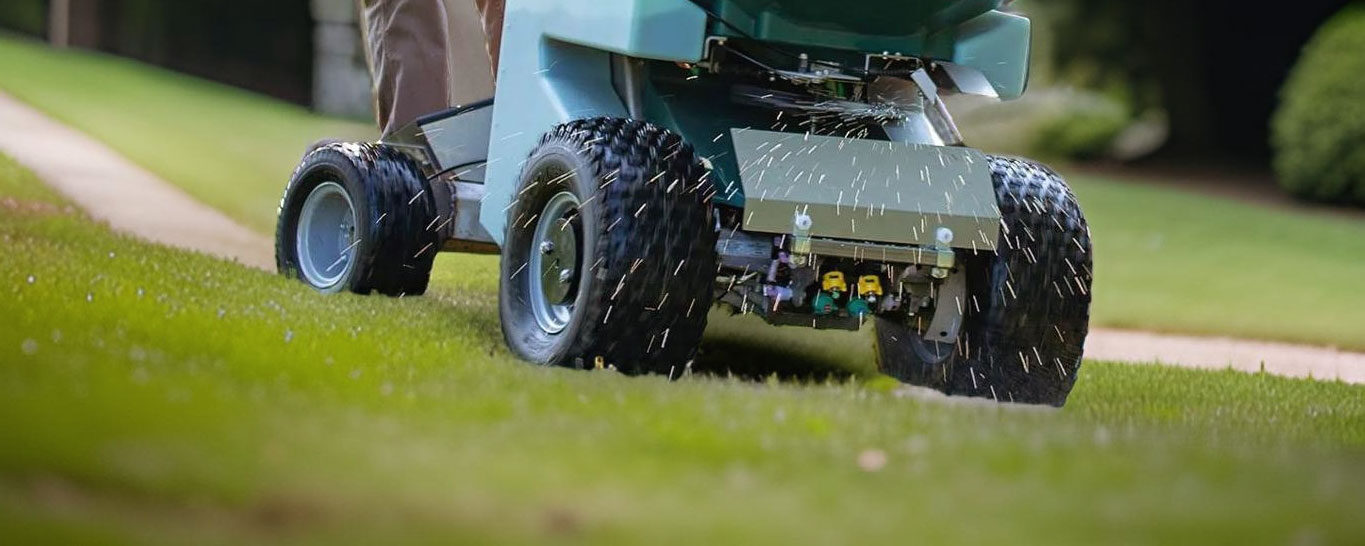

Fertilize your lawn in early spring when soil temperatures consistently reach 50 to 55°F, not just when the calendar says it is spring. For most homeowners, that is when grass starts actively growing again. Fertilizing too early can waste product and weaken roots. Fertilizing at the right time sets your lawn up for thicker growth, deeper roots, and fewer weeds all season.
If you have ever worried about applying fertilizer too soon, damaging new growth, or choosing the wrong product, you are not alone. Many homeowners want professional results but do not want to guess. Here is exactly how to get the timing right.
Why Early Spring Lawn Fertilization Timing Matters
Early spring lawn fertilization timing can make or break your lawn’s entire growing season. Fertilizing at the wrong time doesn’t just waste money, it can actually hurt your grass.
Here’s why timing matters:
- Root Strength: Strong roots grow when soil warms, not when snow melts.
- Nutrient Absorption: Grass absorbs nutrients during active growth, not dormancy.
- Weed Prevention: Proper timing helps grass crowd out weeds naturally.
- Balanced Growth: Applying fertilizer too early causes top growth without deep roots.
According to the University of Maryland Extension emphasis on timing fertilizers, with active growth cycles gives the best results. If you fertilize while your lawn is still waking up, nutrients can wash away before the roots can use them.

When To Fertilize Lawn in Early Spring For Best Results
So, when should you fertilize your lawn in early spring?, Look for these signs instead of watching the calendar:
Soil Temperature Reach 50–55°F
This is the sweet spot. At this temperature:
- Grass Wakes Up: Roots begin active growth.
- Nutrients Absorb Properly: Fertilizer feeds roots instead of running off.
- Weeds Compete Less: Healthy grass thickens faster.
You can track soil temps using tools like Greencast Soil Temperature Map or a simple soil thermometer.
Your Grass Needs Its First Mow
If you’ve mowed once or twice, that’s usually a sign your lawn is actively growing.
- Visible Growth: Green-up is consistent across the yard.
- No Frozen Ground: Soil is workable and no longer compacted from winter frost.
In most regions, this happens between late March and early May, but every year is different. That’s why watching soil conditions is better than circling a date.
What Happens If You Fertilize Too Early?
This is one of the biggest fears homeowners have, and it’s entirely valid.
Applying fertilizer too soon can cause:
- Weak Roots: Energy goes to the grass blades instead of the root systems.
- Nutrient Waste: Spring rain washes the fertilizer away.
- Burn Risk: Cold-stressed grass can be easily damaged.
- Increased Weeds: Thin turf leaves room for crabgrass to take over.
The EPA notes that Fertilizers, leaves, grass clippings, animal waste, and eroded soil are all sources of nutrients. If you want that thick, golf-course look, patience in early spring pays off.
Which Fertilizer Is Best for Early Spring Grass?
Choosing the right fertilizer is just as important as timing.
For early spring lawn care, look for:
- Slow-Release Nitrogen: Feeds steadily without surges.
- Balanced Formula: Supports root and blade growth.
- Pre-Emergent Option: Helps prevent crabgrass.
Not all lawns are the same. Soil type, grass species, and previous treatments matter. That’s why many homeowners choose professional lawn fertilization services to avoid trial and error.
At TLC, our technicians evaluate your lawn's specific conditions, grass type, and seasonal timing before applying any treatment. Our customized Lawn Care Services remove the guesswork and protect your investment.
Should You Hire Professional Lawn Fertilization Services?
If you’re a busy homeowner or new to lawn care, professional service often delivers better results.
Here’s why:
- Precision Timing: Experts monitor local soil temperatures and climate data.
- Correct Products: Professionals use the right blend for your specific grass type.
- Even Application: No missed strips or fertilizer burn.
- Seasonal Planning: Treatments are scheduled strategically throughout the year.
Instead of wondering if you fertilized too soon, you will know it was done right.
Ready for a healthier lawn this spring? Contact TLC today for expert fertilization services and a customized lawn care plan.